Homemade Hydroponic Systems

Everything you need to know to set up your Homemade Hydroponic System and grow amazing produce

  • Home
  • Privacy
  • Terms
  • About Us
  • Site Map
  • Contact Us

Featured Article

Growing Under Lights

We are all familiar with the idea that “Plants require light to grow”, however this is not strictly true. Plants utilize energy in the form of radiation for their necessary processes, solar radiation is the primary source of this energy.

The main photosynthetic of plants is chlorophyll. Chlorophyll mainly absorbs light in the red and blue spectrums.

Visible Light Spectrum


What we perceive as ‘light’ is not necessarily what plants require for healthy growth, this is why simply using a normal light bulb is very ineffective.

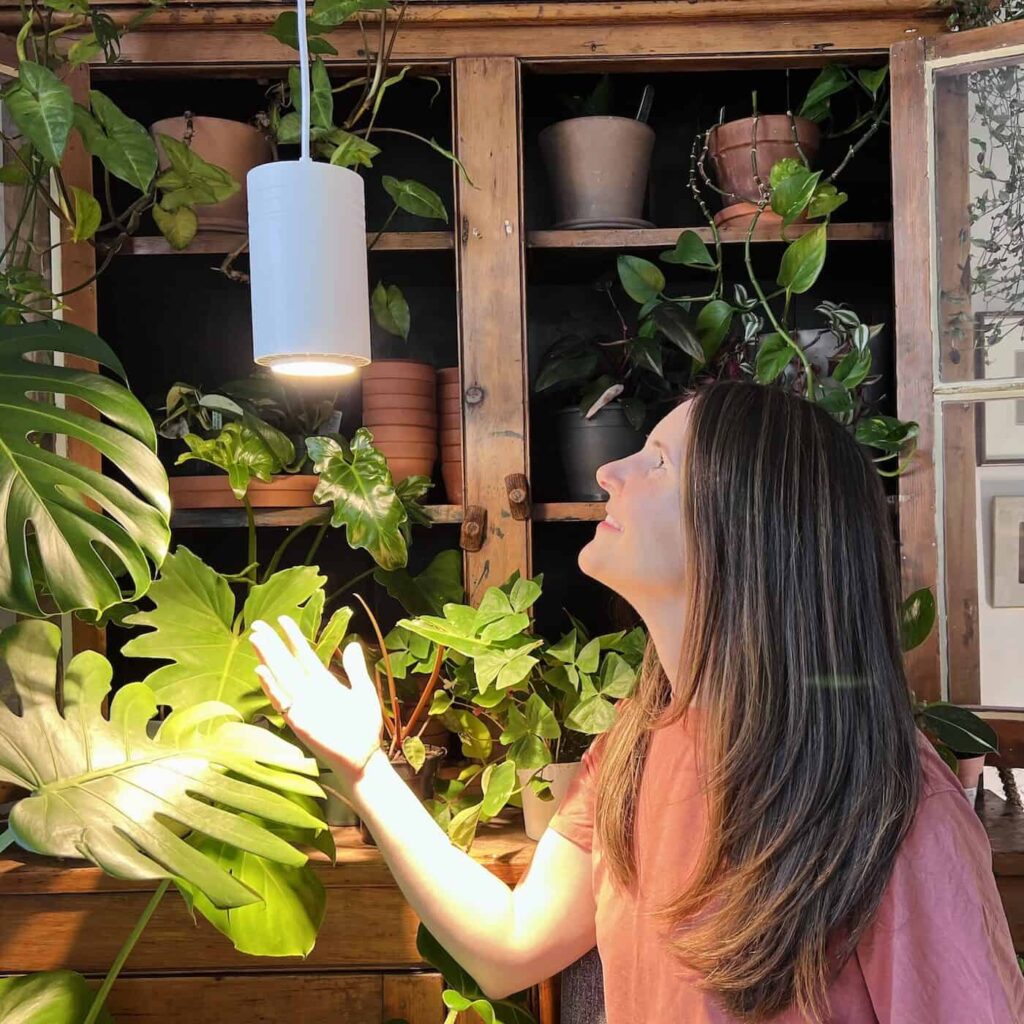
There are many different lights specifically designed for providing the required light for plants

High Intensity Discharge (HID) Lights

High Intensity Light (HID)HID lights are very efficient. HID lights are always used with a reflector and require a ballast to operate. Check the manufacturers installation instructions to ensure that you have sufficient space around the light, HID lights can produce a considerable amount of heat.

There are two types of HID lights:

High Pressure Sodium Lights (HPS)

HPS lights produce light in the orange to red spectrum, this light can trigger an increase of budding and flowering in plants. HPS are a great supplementary light used with natural sunlight of Metal Halide lights. Bulbs will last up to 10,000 hours operation.

Metal Halide Lights (MH)

MH lights produce light in the blue spectrum, this color light promotes plant growth and is great for leafy green growth and keeping the plants compact (without blue spectrum light the plants will grow thin and lanky). Bulbs will last up to 18,000 hours operation.


Fluorescent Grow Lights

Sun Blaze LightFluorescent lights have been used for a long time to encourage growth of plants in fish tanks. Until fairly recently fluorescent lights have not been powerful enough and have been too large and bulky to be used commercially.

There are now compact bulbs and much higher power tubes.

Fluorescent lights are very energy efficient and can have a very wide and varied spectrum of light output, the also produce a lot less heat than HID lights.

Compact Fluorescent LightLights should be placed within a few feet of the plants if possible.

Check that you get the correct light spectrum (red for flowering, blue for plant growth) or purchase full spectrum bulbs.

It is not necessary to use reflectors with fluorescent lights, use reflectors when you need to direct the light to a specific location.

Incandescent Grow Lights

Incandescent Grow LightThese are the cheapest lights to buy and are the most inefficient and are the worst light source for plants.

It would be much more cost effective and you would get a much better light source using a compact fluorescent grow light.


LED Grow Lights

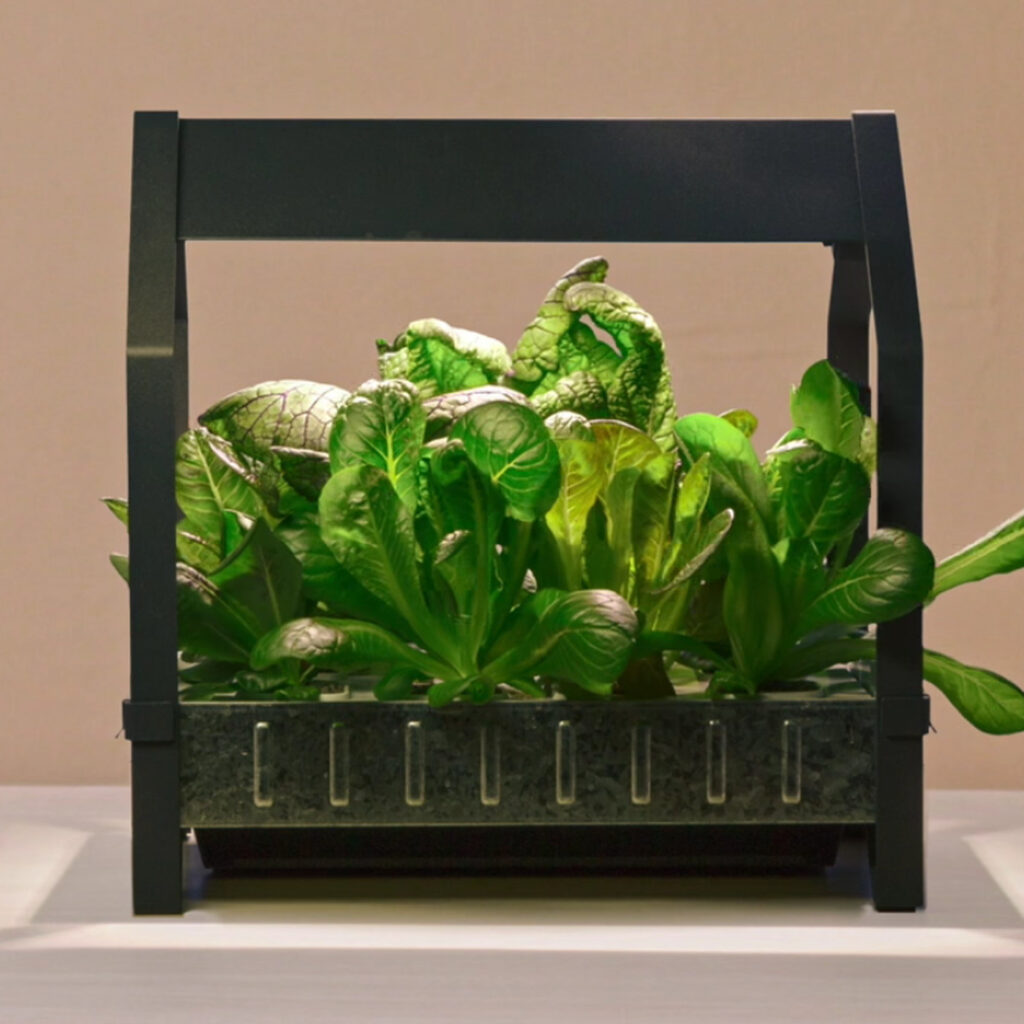
LED lights have progressed massively over the last few years and they are now becoming popular in all sorts of technology, this is because they are cheap and very efficient.

There are some drawbacks of using LED grow lights, the main one is that the light can give thLemnis Lightinge plants a very unnatural appearance, the level of light can also be lower than other types of light.

LED lights give of almost no heat so can be place virtually anywhere you want.

The latest LED system I discovered has been developed by Lemnis Lighting. As you can see there are lights in the red and blue spectrum’s to specifically target the requirements of the plants. The missing yellow and green spectrum colors cause the plants to appear unnatural.


General Lighting Guidelines

  • Blue light spectrum for plant growth
  • Red light spectrum for flowering and budding
  • Use light reflectors to direct the light
  • Paint and solid walls white to reflect white
  • Watch out for heat from the lights
  • Light your plants for 14-16 hours for foliage growth
  • Light your plants for 12-16 hours when flowering
  • Make sure you plants have darkness of at least 8 hours


Did you like this? Share it:
Tweet

Caring for your Garden

Caring for your garden. Usually $16, yours for only $4.95

Caring for your Garden Caring for your Garden

Building Your Own Greenhouse

Building your own greenhouse Usually $37.95, yours for only $14.95

Building Your Own Greenhouse Building Your Own Greenhouse

Your Garden: The Ultimate Gardening Guide

Your Garden: The Ultimate Gardening Guide Usually $34.95 Yours for only $17.95

Your Garden: The Ultimate Gardening Guide Your Garden: The Ultimate Gardening Guide

Home Vegetable Gardening

Home Vegetable Gardening Usually sells for $24.97 Yours for only $9.95

Home Vegetable Gardening Home Vegetable Gardening

Your Rose Garden

Your Rose Garden Usually sells for $14.95 Yours for only $4.95

Your Rose Garden Your Rose Garden

Beautiful Gardens

Beautiful Gardens Usually sells for $17.95 My offer to you $4.95

Beautiful Gardens Beautiful Gardens

The Folk-Lore of Plants

The Folk-Lore of Plants Usually $49.95 Yours for only $27.95

The Folk-Lore of Plants The Folk-Lore of Plants

All About Greenhouse Growing

Free eBook Free eBook Free eBook

All About Greenhouse Growing All About Greenhouse Growing
Google
Custom Search

Subscribe to Homemade Hydroponic Systems

Fill out the form below to signup to our newsletter.

Our strict privacy policy keeps your email address 100% safe.

Categories

  • System Design
  • Plant Health
  • Easy Start
  • Hydroponic Nutrients
  • History
  • Plants
  • My Homemade Hydroponic Systems
  • Resources
  • Free eSeries

Recent Articles

  • Growing Under Lights
  • Hydroponic Wick System
  • Plant Pollination
  • Hydroponic Strawberries
  • My NFT PVC Pipe System

Recent Comments

  • Henry on Hydroponic Strawberries
  • Henry on Hydroponic Strawberries
  • Walks-In-Storms on Hydroponic Strawberries
Subscribe in a reader

Tags

Advantages Aeroponics Aggregate Babylon CF Design Guide DWC Ebb and Flow eSeries Floating Flood Flowers Free Greenhouse History Homemade Hydroponic Nutrients Hydroponic Nutrients Intha Minerals Misting Monitoring NFT Osmosis Perlite pH Propagation Rock Wool Roots Strawberries Tomatoes Vegetables Vermiculite Wick

Return to top of page

Copyright © 2012 · Church Theme on Genesis Framework · WordPress · Log in